Involving Young People as Volunteers
Young people want a say in their future and to be a part of what is happening around them. Volunteering can support their desire to contribute to society and as organisations/groups we benefit from diverse skills, experience, voices and motivations.
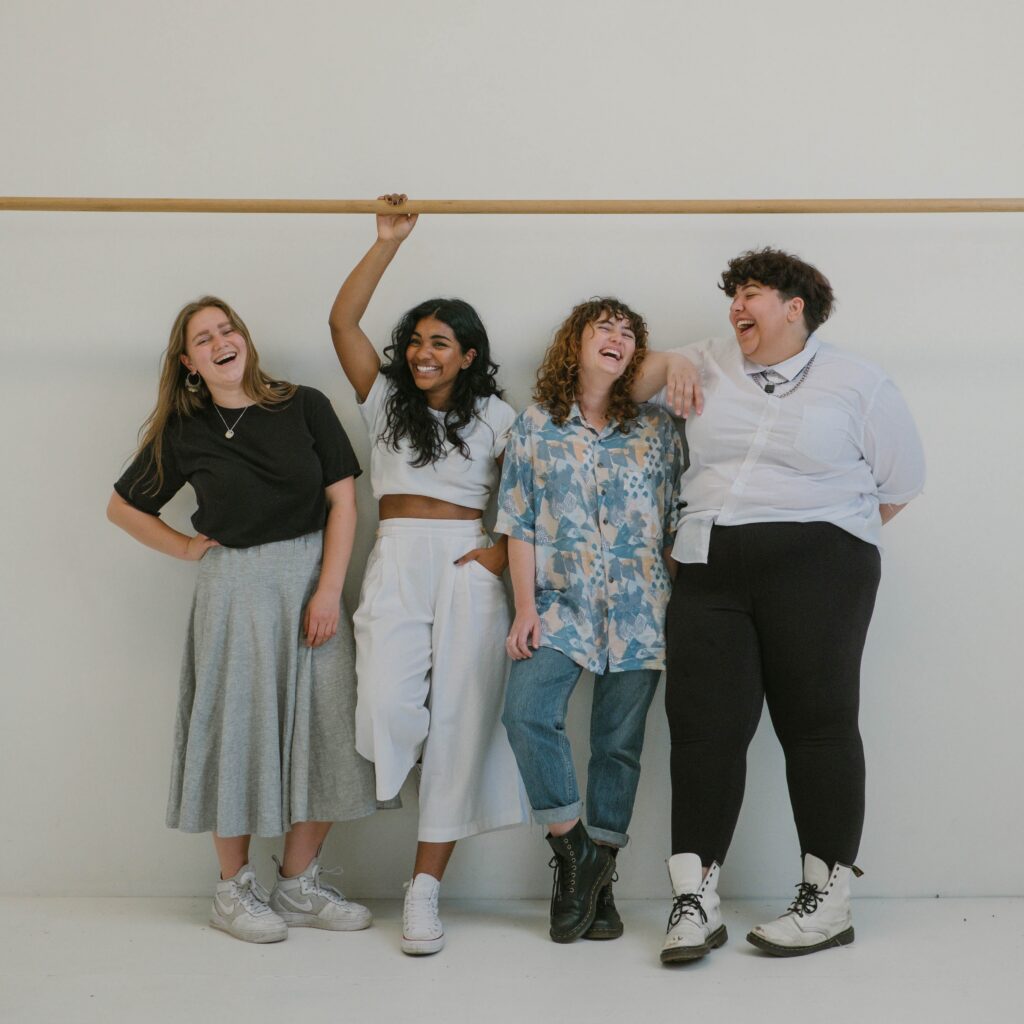
This guidance offers some particular considerations when involving young people (16-18 year and under 16’s).
Why involve young people?
For the young person
- Developing and learning skills
- Positive impact on health and wellbeing
- Personal and professional growth
- Connecting to the local community
- A pathway to education, training or employment
- Gain references
- Reduce isolation
- Be part of a cause that matters to them
- Have a purpose
- Meet new people, social connection
- Increase confidence and self esteem
- Learn and hear new perspectives
- Develop leadership skills
For the organisation/group
- Different energy, perspectives and voice
- Different skills and experience you might not have
- Input on what young people might need
- Increased capacity
- Linking into their peer group and also increasing local awareness of the organisation
- Diversity of volunteers
- Reflecting the local community
- Inclusive and accessible volunteering
What to consider
- Don’t presume someone’s ability or skills level based on their age. Find out about them; ask why they wish to volunteer and what they want to gain. Think of different ways they could be involved
- Depending on the nature of the role or if it’s one-off/short term you may wish to adapt the recruitment process. For example, how they apply, can it be as short and simple as possible? Maybe offer a taster session.
- Is your publicity accessible to young people – this includes language, style, avoiding jargon and where you post your opportunities
- You might want to have other young people participate in the informal interview depending on the role
- Can the activities be flexible to match their individual support needs, availability, confidence etc. Be aware of restrictions for young people such as school or college times
- Remember to reimburse expenses, as costs such as travel can be a barrier to volunteering
- Make sure they have a named person to contact for any questions, issues or concerns and they know how to contact them
- Recognition matters; ensure they feel valued and aware of the positive impact they have, and are invited and included in volunteer events/celebrations
- Ensure the relevant policies and procedures in place and everyone understands them e.g. health and safety. Child safeguarding is up to 18 years of age so ensure your organisational safeguarding policies and procedures cover this, including having a named person who is responsible for any child protection issues
- Does your all insurance cover for volunteers include the young people ages e.g. Employer Liability
- Regardless of the age of the volunteer you have a duty of care to volunteers
- If you are inviting them to social events consider where you are holding these. Remember that under 18’s can’t drink alcohol, and that volunteers of any age may have negative lived experience of alcohol
Involving young people as volunteers can be a fulfilling experience for all and is mainly the same process and support as any volunteers over 18 years. See our Volunteers Best Practice Guide for help and advice on involving and managing volunteers.
Things to consider specifically for under 16 years
- They must be 13 years plus to volunteer
- You need to get signed written consent from parents or carers. Make sure that parents or carers are aware of your safeguarding policy and procedures.
- Don’t forget some young people may wish to continue volunteering with you after 16 years of age
- Consider your recruitment process; will you ask for an application form and ‘interview’?
- Follow your organisation’s safeguarding policies and procedures in relation to this age group. Make sure other volunteers and staff are aware of these if they are supporting children and young people
- Check that your organisation’s insurance (including Employer’s Liability) covers this age group
- Look at your risk assessment to identify any potential safeguarding issues that might occur. For example, potential risk of exploitation, the emotional impact of tasks or the pressures young people might be experiencing in their lives e.g. exams
- Most under 16s are mostly looking for one-off volunteering either on their own or as a group e.g. through school or through schemes for young people for example DofE (Duke of Edinburgh’s Award).
Things to consider for mitigating risks
- Have young people volunteer in a group alongside their parents/guardians/teachers/support workers, etc.
- For colleges, if teachers and lecturers wish to attend with the student group, they may need a DBS check. Share with the college about your insurances, risk assessments etc., and vice versa for the activity
- Individual volunteers and staff should not be left alone with young people when they volunteer
For guidance on what a young person can do or the hours they can volunteer, we advise you to mirror the legal requirements for child employment, including how many hours they can volunteer. We recommend organisations contact their local authority for an employment certificate to ensure the safety of the child. The application will lead to a discussion with their parent/guardian and school.
Resources - Young People Volunteering
Local Authority Links (Employment Certificates)
Brighton and Hove Apply for permission to employ a child
Adur and Worthing Employing young people in the workplace
West Sussex Council Child work permit
National resources:
Gov UK Child employment
NSPCC:
DBS checks
DBS checks for young people volunteering
- Under 16s can’t have a DBS check.
- 16 and over: the same DBS eligibility criteria apply as for adults. Do the activities of the role mean that you are legally required and entitled to request a DBS check? For example, the role involves regulated activity and the young person volunteers directly with children and/or adults at risk.
DBS checks for supporting young people volunteering
Anyone volunteering, working or supporting 16-18 years would require a DBS check if their role requires regulated activities with the young person, or the young person they are supervising is carrying out regulated activities.
Regulated activities with children can include:
- Unsupervised activities: teaching, training, instructing, caring for or supervising children; providing advice/guidance on wellbeing; driving a vehicle only for children; engaging in intimate or personal care of children; health care (including by a registered health care professional)
- Working/volunteering for a limited range of “specified places” with the opportunity for contact with children and young people, for example schools, children’s homes, childcare premises.
For more information about DBS Checks