Supported Volunteering
We believe there’s a volunteering opportunity for everyone. With the right support and guidance people of all abilities can get involved and make a real difference.
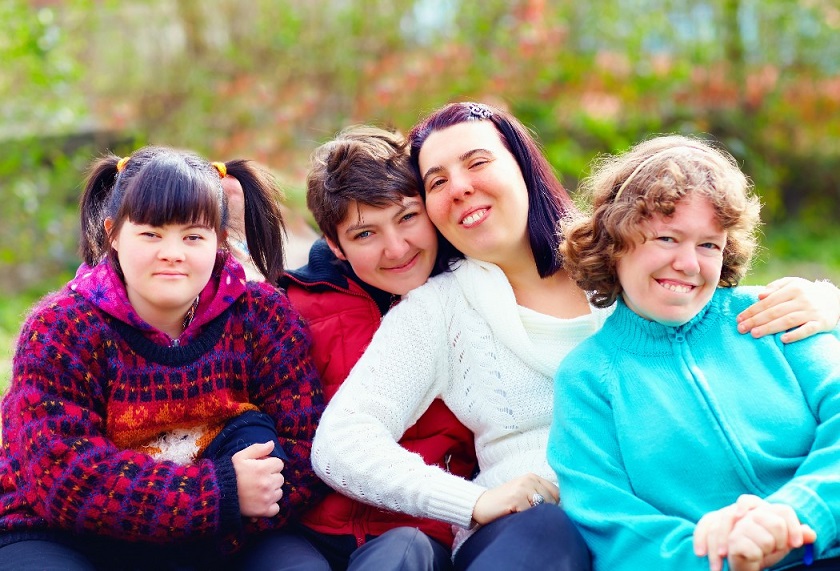
The key to successful and safe volunteering includes:
- Making sure the volunteer opportunity and volunteer are right for each other
- Ensuring the relationship is mutually beneficial
- The right structures are in place
Equality and diversity sits at the heart of volunteering and volunteering in all its forms should strive to be an inclusive activity; this includes volunteers with visible and invisible disabilities, long-term health conditions or with additional support needs.
This guide includes things to consider when developing or reviewing your supported volunteering. These can be used alongside our Volunteer Best Practice Guide to help you build an inclusive and meaningful volunteering experience.
What is supported volunteering?
Supported volunteering refers to volunteering opportunities that have specific support structures in place which respond to identified support needs. For some people, this support is what makes volunteering possible.
Support can look different for different people, and may include:
- An accessible recruitment process
- Regular check-in’s
- Shadowing opportunities
- A buddy programme
- Reasonable adjustments e.g. to activities, equipment or environment
- A named point of contact or ‘go-to-person’
- Coaching or mentoring
The most important step is taking time to explore, listen and understand each volunteer’s needs and motivations without making assumptions.
Supported volunteering is not just for people with disabilities or support needs. Many volunteers benefit from these approaches, and many disabled volunteers only need small adjustments rather than a full support structure.
This approach should not be limited to organisations working with and supporting people with disabilities or support needs, as the volunteer may not want their volunteering opportunities limited to this type of environment.
Developing supported volunteering - things to consider
Planning
- Assume someone can volunteer until you know otherwise. Allow volunteers to define their own needs; they may not be what you think!
- Does your volunteering represent different groups in your local community?
- Does someone have to be able to complete all areas of your role description? Consider adapting the role or offering flexibility e.g. break it down into smaller roles or activities, allow someone to volunteer from home or another location.
- Don’t see the removal of barriers as a hindrance, rather as changes which will improve volunteering for everyone.
- Be prepared to make reasonable adjustments to your work practice and environment e.g. software, equipment, communication methods or physical space.
- Raise awareness across your organisation; make sure everyone understands that supported volunteering is part of your organisation. Highlight the benefits of being inclusive e.g. fresh perspectives, new skills, diverse opinions and stronger connections.
- Talk to staff and volunteers about their roles, concerns, expectations, and support you can offer them, and provide training where helpful.
- Where possible, include staff and volunteers in identifying and shaping new volunteer roles and in the development of your supported volunteering.
- Consider other volunteering options e.g. volunteering with a friend/family member or support worker, group volunteering, buddying, coaching or mentoring.
- Be honest and upfront about your capacity and the level of support you can offer. Don’t raise unrealistic expectations of what is possible; it is unfair if you are unable to appropriately support someone and could negatively affect the volunteer, staff and other volunteers.
- Establish your budget; supported volunteering may involve additional expenses, but it is important to balance this with the benefits of having that person volunteer with you. Also don’t forget reimbursement of expenses can make the difference between someone being able to volunteer or not.
Recruitment
- Think about where and how you advertise your roles – how are you going to reach your audience? You may also wish to contact support and community workers who work with people who are looking for supported volunteering.
- Use positive language and include wording about your commitment to inclusion e.g. ‘We actively encourage applications from people with disabilities’.
- Make your materials and publicity accessible e.g. using plain English, easy read formats where possible and include positive and diverse images so people can recognise themselves in your organisation.
- Keep the application process including ‘interviews’ less formal, relaxed, and focus on people’s positives. Only ask what you need to know.
- Make sure the volunteering opportunity is right for the volunteer and the organisation.
- Offer taster sessions and one-to-one meetings to help both sides explore suitability in low-pressure way.
Support and Recognition
- Use your induction to explain the role, the support available and how the volunteer can access it.
- Check your own behaviour; don’t make assumptions.
- Explore additional support together. If relevant and with consent, involve others who can help meet a volunteer support needs e.g. a support worker, family and/or carers.
- Provide a named contact for volunteers, rather than a generic email or telephone number.
- Think about when and where support happens. Make sure your support is timely, accessible and relevant.
- Consider different ways to support that’s not just in person e.g. telephone, online, Zoom, Whatsapp.
- Don’t forget to say ‘thank you’ and and also let them know the positive impact they have had.
- Identify relevant social and developmental opportunities that help build confidence and skills.
Measuring your impact
- Review whether you are reaching disabled volunteers and volunteers with additional support needs, and plan how to include under-represented groups within your capacity.
- Check how well you are supporting volunteers. Reflect on whether their needs are being met and where improvements can be made.
- Celebrate and share positive experiences. Tell the stories of how supported volunteering has made a difference and make sure volunteers know the positive impact they have had.
Resources
- Gov.UK inclusive communication and accessible design
- Sussex Health & Care: Changing the language: guide to language for mental health
- AbilityNet: Accessibility and inclusion technology best practices for older or disabled people